Although a pumping station looks as a simple structure from the exterior, in reality, each project is unique. A pump station could be required to move wastewater from a housing development uphill, while another site might require pressure to be maintained over a commercial building with different elevations. Certain projects are municipal while others are private or industrial, and each comes with specific design specifications, regulations, and long-term operational expectations.
Pumping systems aren’t designed to suit all. The best station is constructed around the particulars of the site, the circumstances of flow, ownership demands, and the long-term goals of the land it is serving. Romtec Utilities takes this perspective and design each pumping systems to satisfy the unique needs of the project, instead of forcing it to be part of a standard system.
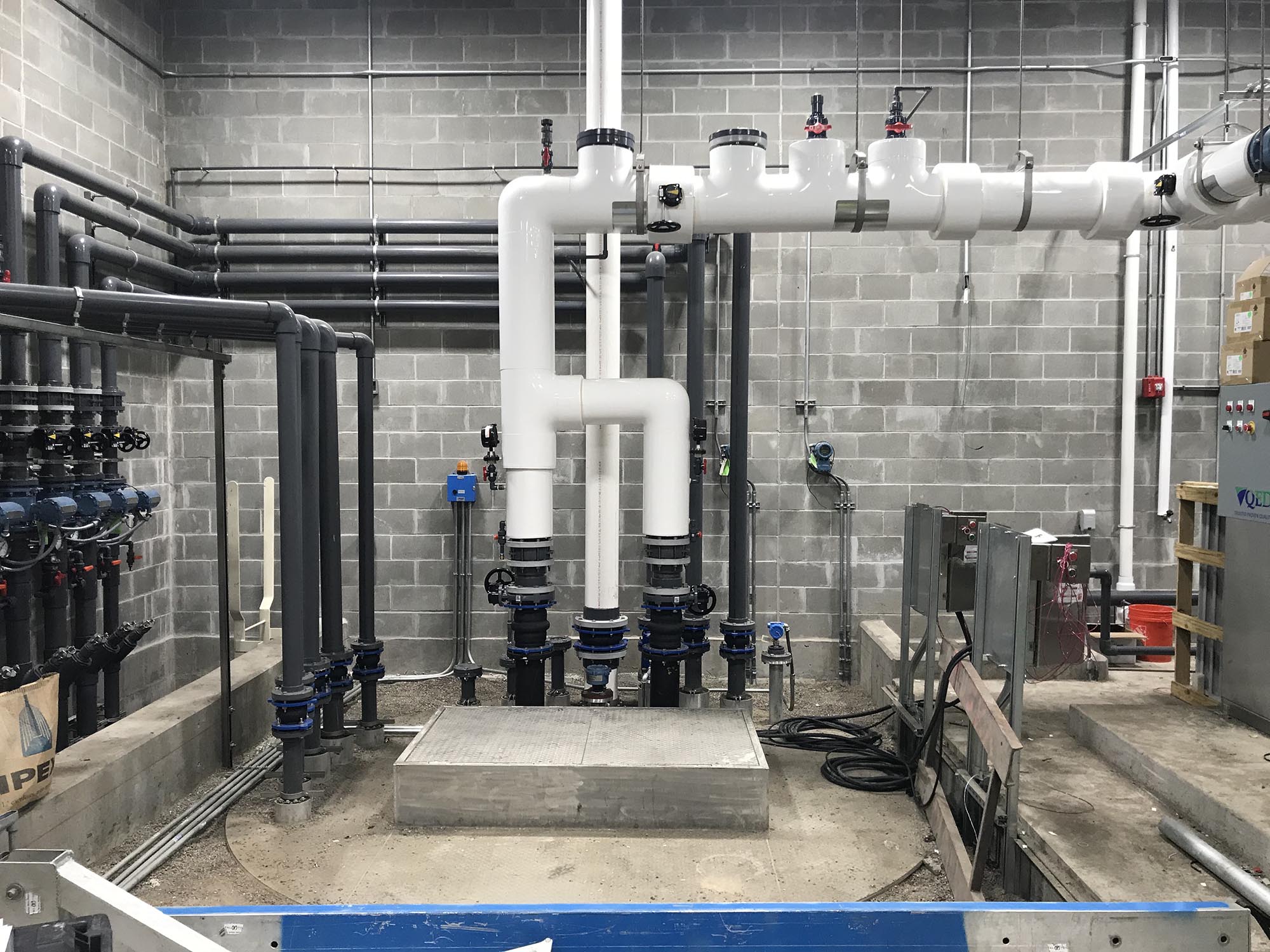
Good design for pumping is about more than moving water
Pumping stations are constructed to transfer waste or water which gravity is unable to. But constructing a system that only functions is not enough. It has to be efficient, reliable, easy to maintain, and in full compliance to state and local regulations. It must work in real life, not just on paper.
It includes everything from the design of structural elements and sizing of wet wells to controls and electrical systems, communications equipment and access to maintenance crews. The system may be plagued with operational issues for many years when even a single component is not planned properly. This is one reason owners and engineers place so much value on working with the best lift station designers. Experience is important when trying to balance the performance of your hydraulic system, its long-term durability budget, as well as the limitations of your site all at once.
Romtec Utilities brings these disciplines all under one roof. Instead of forcing the client to collaborate with several suppliers The company takes care of all structural, electrical mechanical, as well as communication parts in a seamless system. The single-source model can simplify and speed up the process of procuring and also speed up the installation.
Package pumping systems reduce complexity when they are designed properly.
A packaged pumping system makes infrastructure projects since it combines key components into a single solution. The real value comes from the way in which that package is engineered. Incompatible systems could lead to issues with performance, over-sized equipment and unnecessary maintenance costs, or even longer-term issues.
Romtec Utilities views each package more as a solution than being merely a standard product. This includes selecting the correct pumps, controls, valves as well as enclosure options based on real requirements of the site. It is also important to consider how the system is expected to operate, be monitored and maintained. Coordinating the planning phase can help prevent more serious problems in the utility infrastructure.
Booster Pump Stations solve a different kind of issue in infrastructure
There are many projects that require wastewater. In many cases, ensuring pressure in the water is as crucial as transferring sewer. Pumping stations for boosters play a significant role. These systems are built to allow water to flow effectively throughout a system, even when the pressure is low due to changes in elevation, the length of pipes, or high demand.
Booster systems require a distinct method of engineering because they could include SCADA integration, variable frequency drives (VFDs) along with telemetry as well as architectural considerations, contingent on the site. Romtec Utilities designs these stations with the same approach to design and construction that is used in wastewater systems, ensuring the final result works both functionally and operationally.
A smarter strategy can lead to better performance over the long haul
One of the most valuable parts of the Romtec Utilities process is the early design assistance it provides customers. The preliminary support for design and engineering allows team members to get a better idea of the scope, configuration, and costs of the installation prior to when they move too far in the procurement or construction. That can make a major difference for consultants, developers, and public agencies trying to keep projects on time and within budget.
If it’s a wastewater lift station, an integrated pumping system or even one of the many custom booster pumps, the key to success is the planning. A good design partner does more than supply equipment. A reliable design partner will help to design a sustainable solution that matches the needs of the site and is in line with the goals of the owner.
The most efficient systems for utility function are typically those which the general public does not think about because they work. Such reliability rarely occurs by chance. It comes from thoughtful engineering, well-coordinated, and the ability to build each system around the exact demands of the task.